
Position Sensitive Scintillation Detector
A very simple and inexpensive way to make an incident radiation 2D profile (like a beam profile) is to use a grid of scintillator.
Read more

A very simple and inexpensive way to make an incident radiation 2D profile (like a beam profile) is to use a grid of scintillator.
Read more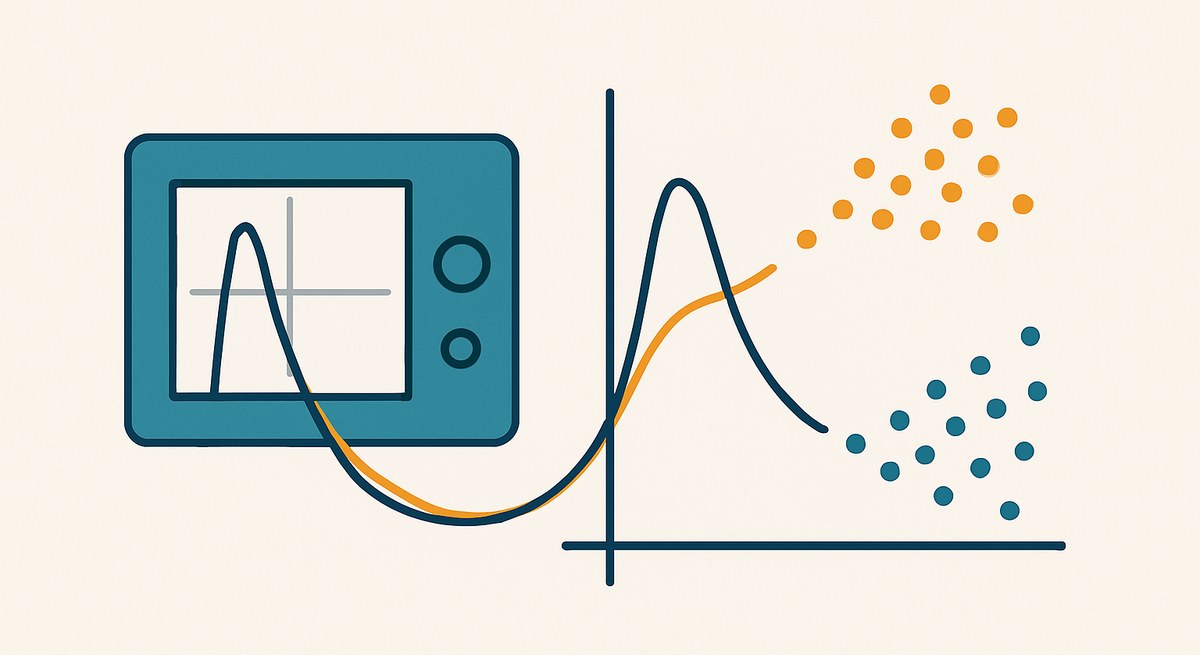
In an organic scintillator, a neutron and a gamma of the same deposited energy produce pulses of the same height. What differs is the shape: the neutron recoil populates triplet states that decay slowly, so its pulse carries a delayed tail the gamma does not have.
Read more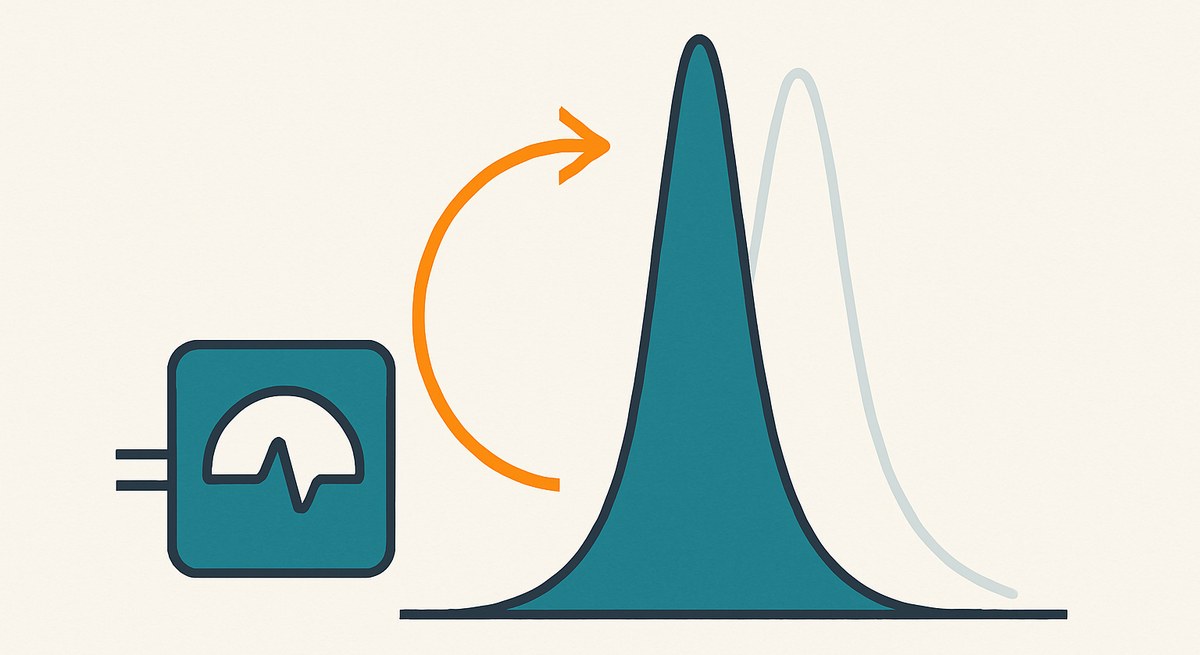
A silicon photomultiplier changes its gain by roughly one percent per degree. A photomultiplier tube drifts with supply, with count rate and with its own history.
Read more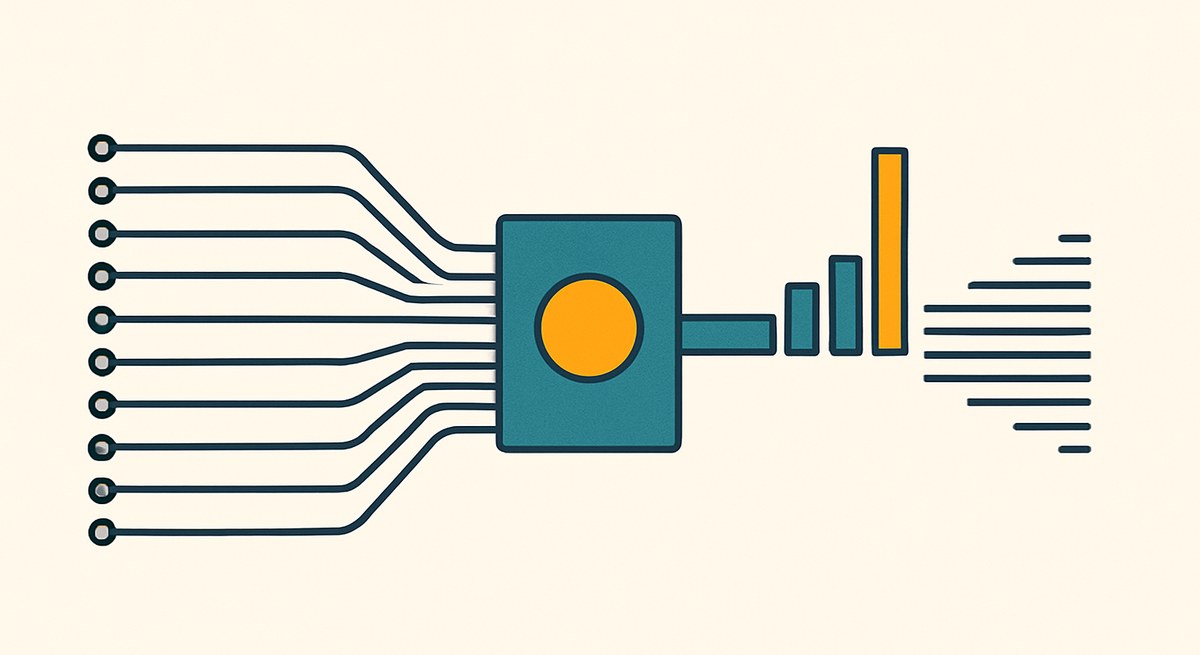
A 16-channel SiPM array, a multi-anode PMT, a strip detector, a segmented drift chamber. They all share a problem that a single-channel instrument does not have: at any moment, some channel is probably misbehaving, and nobody knows which.
Read more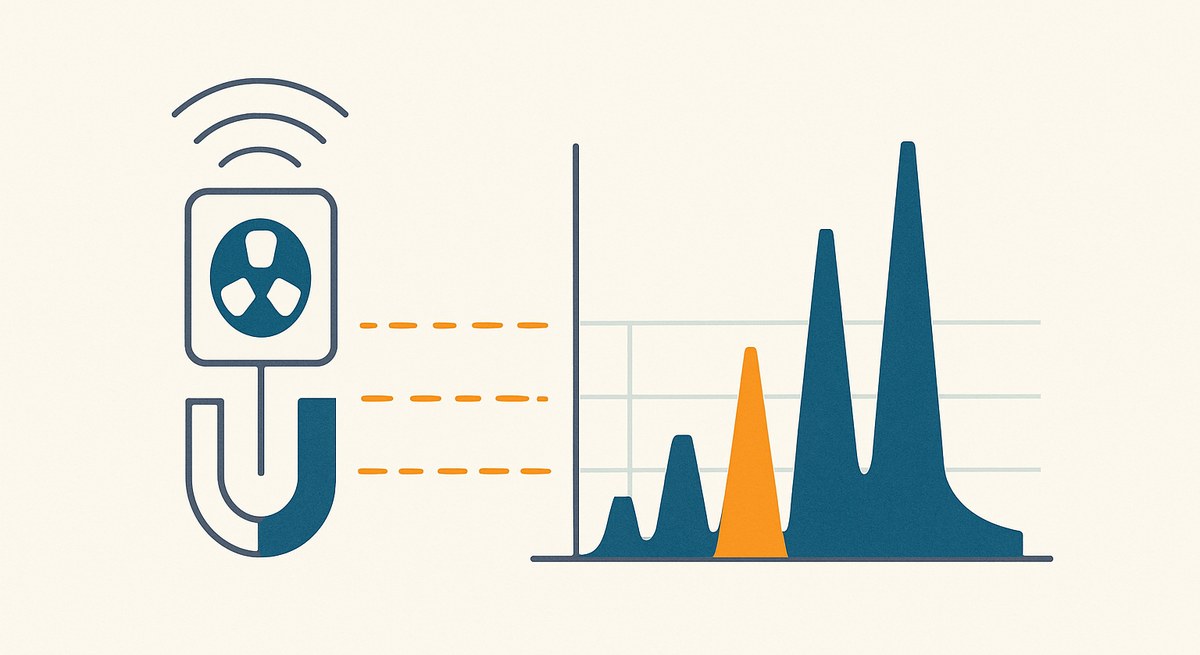
Testing a spectroscopy chain properly requires a detector, a source, a licence to hold the source, a room to hold it in, and hours of acquisition to get the statistics.
Read more
Most detector systems need a set of digital signals to happen in a precise order, over and over. Configure an ASIC by clocking a shift register with the right chip-select framing.
Read more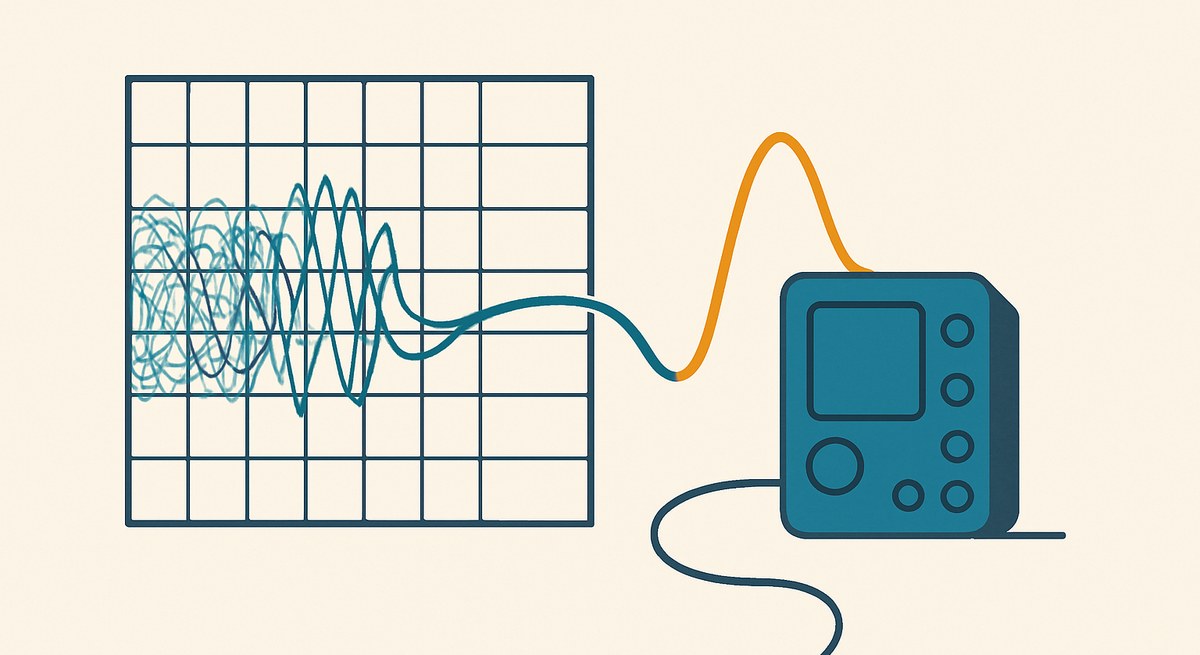
Whenever a measurement can be repeated on demand, averaging is the cheapest signal-to-noise ratio available. Pump-probe spectroscopy, time-of-flight measurement, LIDAR return profiling, ultrasound, laser-induced breakdown, and the routine business of extracting a detector’s pulse shape all share the same structure: fire something, capture the response, do it again.
Read more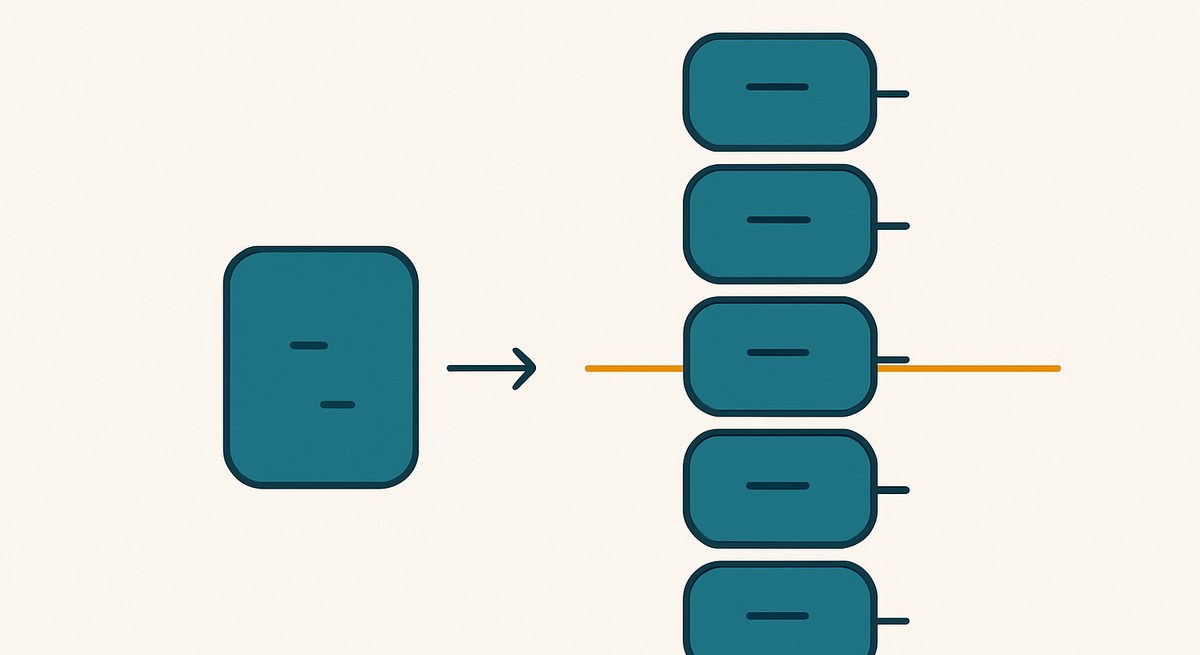
Almost every real experiment has more than one channel, and in almost every one of them the channels do the same thing.
Read more